

BMI calculator
BMI, or Body Mass Index, is a tool that uses a person’s weight and height to estimate if their weight falls within a standard range considered healthy.
*BMI doesn’t directly measure body fat and may not accurately reflect health for people with high muscle mass, pregnant women, children, older adults, certain ethnic groups, or those with medical conditions. It shouldn’t be used as the only way to assess health.The BMI calculator does not determine eligibility for weight loss medications. A healthcare provider must evaluate your overall health and history to decide if medication is right for you.
Your BMI
—
*BMI doesn’t directly measure body fat and may not accurately reflect health for people with high muscle mass, pregnant women, children, older adults, certain ethnic groups, or those with medical conditions. It shouldn’t be used as the only way to assess health.The BMI calculator does not determine eligibility for weight loss medications. A healthcare provider must evaluate your overall health and history to decide if medication is right for you.
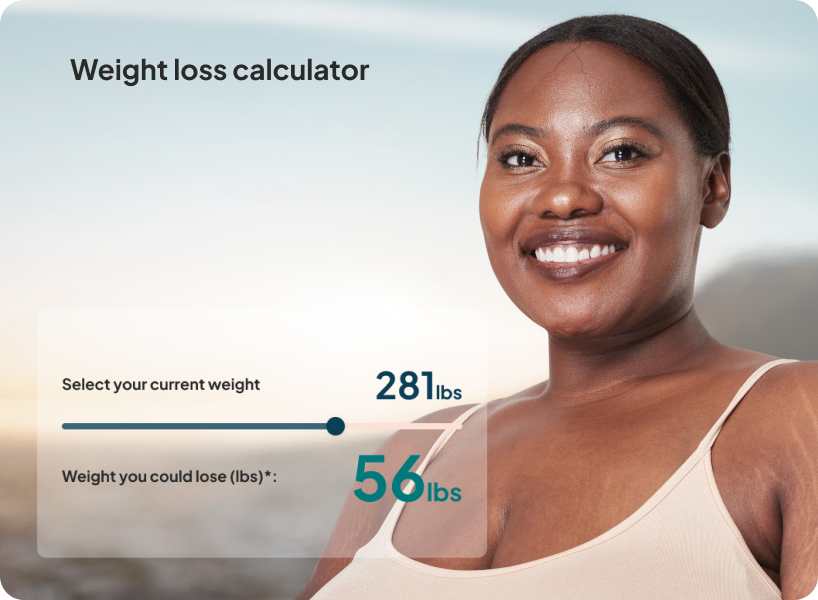
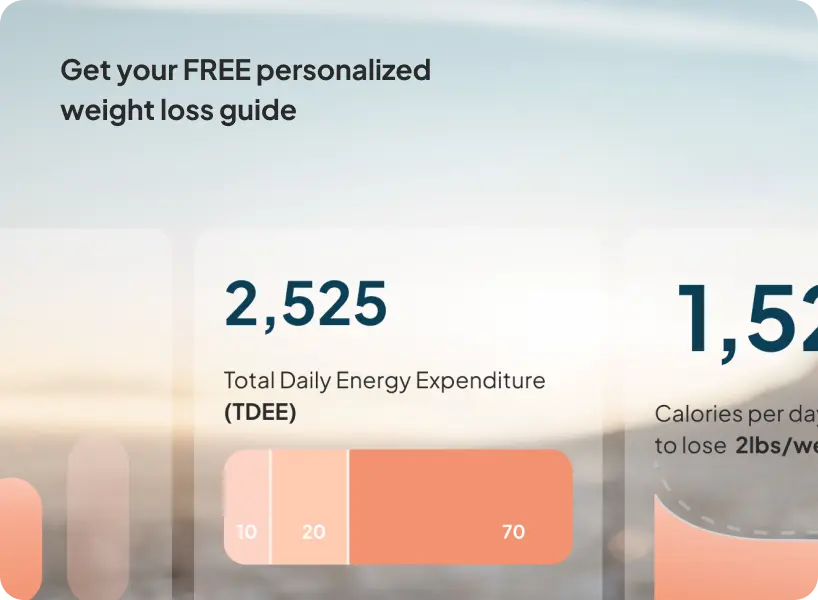
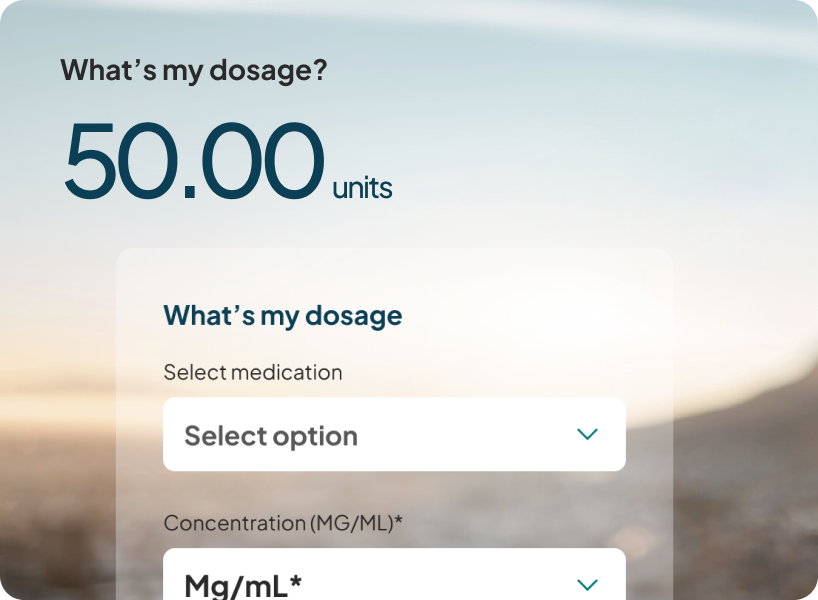
Weight loss calculators

Overview: your BMI results & what they mean
If your recent results from the OrderlyMeds BMI Calculator were higher than you expected, you’re not alone. Weight changes happen gradually, often over years—so surprising numbers on the scale or a BMI chart calculator aren’t unusual.
The good news? Knowledge really is power. Knowing your body mass index (BMI) gives you a starting point for understanding your current weight status and deciding on your next step—whether that’s lifestyle changes or exploring GLP-1 weight loss treatment eligibility.
Keep reading to learn what BMI means for women and men, how it’s calculated, and how your BMI range can affect your health and qualify you for OrderlyMeds medical weight loss programs.
What is BMI (Body Mass Index)?
Body Mass Index (BMI) is a simple way to estimate body fat based on your height and weight. It’s a common screening tool used by health experts, including the Centers for Disease Control and Prevention (CDC) and the World Health Organization (WHO), to help identify potential weight-related health risks [1], [2].
Simply put, BMI is a quick snapshot of your body composition. While it doesn’t measure body fat directly, BMI offers a quick snapshot of your overall body composition. A higher BMI can be linked to conditions like heart disease, high blood pressure, and type diabetes [3]. Lower BMI numbers may point to low muscle mass or nutrient deficiencies. Experts say BMI is a screening tool and not a diagnosis [1].
Think of BMI as a starting point—not a diagnosis. If your number feels off, it’s worth checking in. At OrderlyMeds, our licensed clinicians can help you understand your BMI results and guide you through options, including GLP-1 treatments like Wegovy® or Ozempic®.

Telehealth
Get personalized GLP-1 care from board-certified medical experts.
How to calculate your BMI
U.S. formula
BMI = weight (lbs) ÷ [height (in)]²
You don’t need to crunch the numbers yourself. Just enter your height and weight into the OrderlyMeds BMI Calculator—it does the math and tells you where your number falls.
How it works:
A person who’s 5’6″ and weighs 140 lbs has a BMI of 22.6 (a healthy range). At the same height, 180 lbs gives a BMI of 29.0, which lands in the overweight range.
FYI: BMI doesn’t account for things like age, sex, muscle mass, or ethnicity—so it’s just one piece of your health picture. That’s why providers also consider things like medical history, waist circumference, and other markers to determine GLP-1 eligibility and other treatment options.
BMI is easy to calculate using metric or U.S. customary units
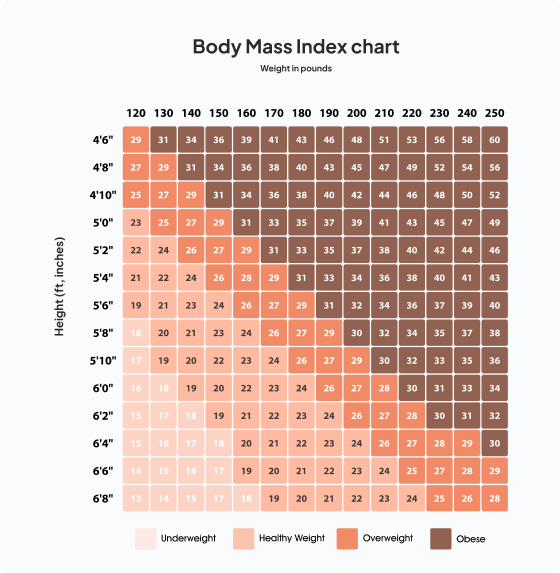
BMI ranges & charts for women and men
According to the CDC Adult BMI Chart, adults fall into the following categories [4]:

These categories apply to both women and men, thought body composition differences can influence what’s considered “healthy” for each individual [4], [7].
BMI chart for women
Women tend to have more body fat than men, so the same BMI can look and feel different depending on the person. Hormones, pregnancy, or menopause can also affect your metabolism and weight. If your BMI is over 25, it’s helpful to look at the full picture—not just the number.
BMI chart for men
Men usually have more muscle mass, which can lead to a higher BMI even without excess fat. If you’re athletic or physically active, use BMI as a general guide—not a final answer. Other factors like body fat percentage can offer more context.
Interpreting your BMI results
Here’s what the different BMI ranges may signal:
- Underweight (< 18.5): Could mean low body fat or a nutritional deficiency
- Healthy (18.5 – 24.9): Linked to lower risk of chronic illness
- Overweight (25 – 29.9): May raise risk of conditions like high blood pressure or insulin resistance
- Obese (30+): Higher risk for heart disease, type 2 diabetes, and certain cancers [5]
Don’t worry if your number falls into the overweight or obesity range. Losing just 5–10% of your body weight can significantly improve your health [6]. The OrderlyMeds team can help you explore your options with expert support.
Understanding the benefits & limitations of BMI
Why doctors still use BMI as a health tool
One reason BMI remains a trusted health metric is its simplicity and accessibility [7]. All you need is your height and weight—numbers most people already know. The OrderlyMeds Adult BMI Calculator transforms these into a single value that places you within a recognized health category.
Here are a few key reasons BMI is still widely used by healthcare professionals
- Easy and fast: No lab tests or special equipment needed—just plug in your numbers using a BMI calculator.
- Standardized results: BMI ranges are consistent worldwide. Whether you’re at a clinic or using the OrderlyMeds tool, a BMI of 30 always classifies as “obese.”
- Health risk indicator: BMI correlates with risk for heart disease, type 2 diabetes, and high blood pressure [3], [5].
- Conversation starter: BMI can help spark important dialogue with your provider [7]. It’s a clear, objective data point that can guide treatment decisions, including whether GLP-1 medications may be appropriate.
Think of BMI as a quick snapshot—a useful way to gauge where you stand and whether it’s time to make a change.
Limitations of BMI: why context matters
While BMI provides helpful insights, it’s not perfect. Many experts, including the American Medical Association (AMA), have clarified that BMI should not be used as the sole measure of health [8].
- BMI doesn’t measure fat directly
It’s a calculation based only on height and weight. It doesn’t distinguish between fat, muscle, bone, or water. That’s why a muscular athlete might have a high BMI but low body fat, while a sedentary person with the same BMI may have higher fat composition [7]. - BMI doesn’t show fat distribution
Two people can have the same BMI but store fat differently. Visceral fat (around the organs) is more strongly linked to disease risk than fat stored in the hips or thighs. That’s why providers often recommend measuring waist circumference in addition to BMI—especially if your BMI is above 25 [9]. - BMI doesn’t account for age or sex
Women tend to have more body fat than men at the same BMI, and both men and women lose muscle as they age. So, an older adult might have a “normal” BMI but higher fat levels than expected [7]. - BMI doesn’t reflect ethnic differences
The traditional BMI chart was based primarily on white populations. Research shows that people of Asian descent may experience obesity-related risks at lower BMI values, while others—such as individuals of Polynesian descent—may be healthy at slightly higher BMIs [2], [7].
That’s why OrderlyMeds providers interpret BMI within a broader health context, looking at your full profile before recommending any treatment.
BMI ranges & charts for women and men
With OrderlyMeds, BMI plays a key role in determining whether you may qualify for medical weight loss treatments (like semaglutide or tirzepatide).
If you are new to GLP-1 medications and your BMI calculator results show 25 or higher, you may qualify for GLP-1 medical treatment through OrderlyMeds.
If you are currently taking a GLP-1 medication and your BMI calculator results show 20 or higher, you may qualify for GLP-1 medical treatment through OrderlyMeds.
These treatments can help regulate appetite, improve insulin sensitivity, and support long-term weight loss when combined with lifestyle changes.

How accurate is BMI for women & men?
- BMI & age
As women age—especially after menopause—fat shifts and muscle loss can lead to a higher BMI, even without weight gain [21]. In older adults, BMI may underestimate true body fat. - BMI & hormones
Hormonal changes during menopause can slow metabolism and increase belly fat [19]. Knowing your BMI helps guide decisions around support or treatment. - BMI & ethnicity
BMI was based on mostly caucasian populations. The World Health Organization says people of Asian descent may face obesity-related risks starting at a BMI of 27.5 [20]. - BMI & muscle mass
Active or muscular people may show higher BMIs without excess body fat. Look at BMI along with waist size, activity level, and body composition when possible [22].
Key takeaway
BMI is just one part of the picture. Use it as a starting point, not a final answer. Pair it with expert guidance—like OrderlyMeds GLP-1 treatments, nutrition, or fitness plans—to support your health goals.
How to lower your BMI Safely & effectively
If your OrderlyMeds BMI calculator results fall into the overweight or obesity range, you’re not alone—and you’re not stuck. Weight management isn’t about perfection. It’s about finding what works for your body, your hormones, and your health.
Sustainable changes, supported by OrderlyMeds, can make all the difference.
- Nutrition & diet quality
Eating more lean protein, veggies, whole grains, and healthy fats can help lower BMI and keep weight off [23]. Try adding protein to each meal to reduce hunger and maintain muscle while you lose fat. - Exercise & physical activity
Regular movement is key. Experts suggest [13]:- 150–300 minutes/week of moderate cardio (walking, swimming, biking)
- 75–150 minutes/week of vigorous activity (running, HIIT)
- 2+ strength-training sessions/week to build muscle and boost metabolism.
Even small steps—like walking the dog or taking the stairs—can help. OrderlyMeds encourages simple, realistic goals to build momentum.
- Sleep & stress management
Lack of sleep and chronic stress can throw off hormones and fuel cravings [14]. Aim for 7–9 hours of sleep, and try limiting screens before bed to support better rest. - Hydration
Water helps control appetite and supports metabolism. Even just drinking a glass before meals may help reduce BMI [17]. Swap sugary drinks for water or herbal tea when you can.
When to consider medical weight loss support
Sometimes, lifestyle changes alone aren’t enough to lower your BMI—especially if hormones, genetics, or metabolic conditions are involved.
That’s where OrderlyMeds can help. Our licensed providers may recommend safe, FDA-approved options like GLP-1 medications or oral treatments like metformin to regulate appetite, blood sugar, and support weight loss.
You may qualify for treatment if:
- Your BMI is 30 or higher, or
- 27 or higher with a weight-related condition (like polycystic ovarian syndrome (PCOS), type 2 diabetes, or high blood pressure) [10],[11].
GLP-1 medications like Wegovy® (semaglutide) are clinically proven to support lasting weight loss when paired with healthy habits [12]. If weight loss has been difficult, OrderlyMeds can connect you with a provider for personalized options [16].
Hormonal changes, PCOS & BMI
Menopause & weight gain
During perimenopause and menopause, hormonal changes can slow metabolism and shift fat storage to the midsection [19].
Even modest weight loss can reduce risks like insulin resistance and heart disease. Use the OrderlyMeds BMI calculator to see if medical support might help balance hormones and weight [18].
PCOS & BMI challenges
Women with Polycystic Ovarian Syndrome (PCOS) often struggle with weight due to insulin resistance and hormonal imbalances [15]. GLP-1s and metformin can improve insulin sensitivity and regulate cycles [10], [12], [15].
If your BMI is above 27 and you’ve struggled with symptoms of PCOS, OrderlyMeds offers online consults to explore safe treatment options.
Healthy BMI ranges for women & men
A healthy BMI range for most adults is between 18.5 and 24.9.
Higher BMI values—especially those over 30—are linked to increased risk for chronic conditions like heart disease, type 2 diabetes, and metabolic syndrome [3], [5]. But BMI isn’t the full story. Your overall health also depends on factors like diet, sleep, activity, and stress.
OrderlyMeds providers look at the full picture—blood pressure, cholesterol, glucose, and lifestyle—before making recommendations.
Your next step: check your BMI and explore treatment options
Whether you’re aiming to better understand your body mass index, improve your health, or explore GLP-1 eligibility, the best time to start is now.
✅ Use the OrderlyMeds adult BMI calculator to check your BMI instantly.
✅ Review your results and see whether you fall into the healthy, overweight, or obesity range.
✅ If your BMI is 20 or higher—or if you’ve struggled to lose weight on your own—complete the OrderlyMeds online weight loss assessment to connect with a licensed healthcare provider.
Together, we’ll help you create a personalized plan to achieve and maintain your healthiest BMI—safely, sustainably, and confidently.
Ready to explore a comprehensive weight loss plan?
23 Sources
- CDC – About BMI (screening tool, not a diagnosis). CDC
- World Health Organization (WHO) – BMI Classification. CDC
- CDC – Health Effects of Overweight and Obesity. CDC
- CDC – Adult BMI Categories. CDC
- National Heart, Lung, and Blood Institute (NHLBI). Overweight & Obesity Risks. National Heart, Lung, and Blood Institute
- CDC – Benefits of Modest Weight Loss (5–10%). CDC
- NIH / NHLBI – BMI Calculation & Use in Healthcare. National Heart, Lung, and Blood Institute
- American Medical Association (AMA) – BMI Limitations Policy. American Medical Association
- CDC – Waist Circumference & Weight Assessment. CDC
- NIH (NIDDK) – Prescription Medications for Weight Loss (BMI eligibility). National Institutes of Health
- FDA – Weight Management Medications Overview. FDA
- FDA – Wegovy® (semaglutide) Approval for Chronic Weight Management. FDA
- CDC – Physical Activity Guidelines for Adults. CDC
- NIH – Sleep Deprivation, Stress & Metabolism. National Heart, Lung, and Blood Institute
- NIH (NICHD) – Polycystic Ovary Syndrome (PCOS). NICHD
- WHO issues global guideline on the use of GLP-1 medicines in treating obesity. WHO
- Hydration and BMI. Very Well Health
- Perimenopause and menopause. Womens Health
- Fat storage to the midsection. The Pause Life
- How BMI is Flawed. Henry Ford
- BMI for men and women. Medical News Today
- BMI and muscle mass. Web MD
- Lowering BMI with a quality diet. MedNewspedia